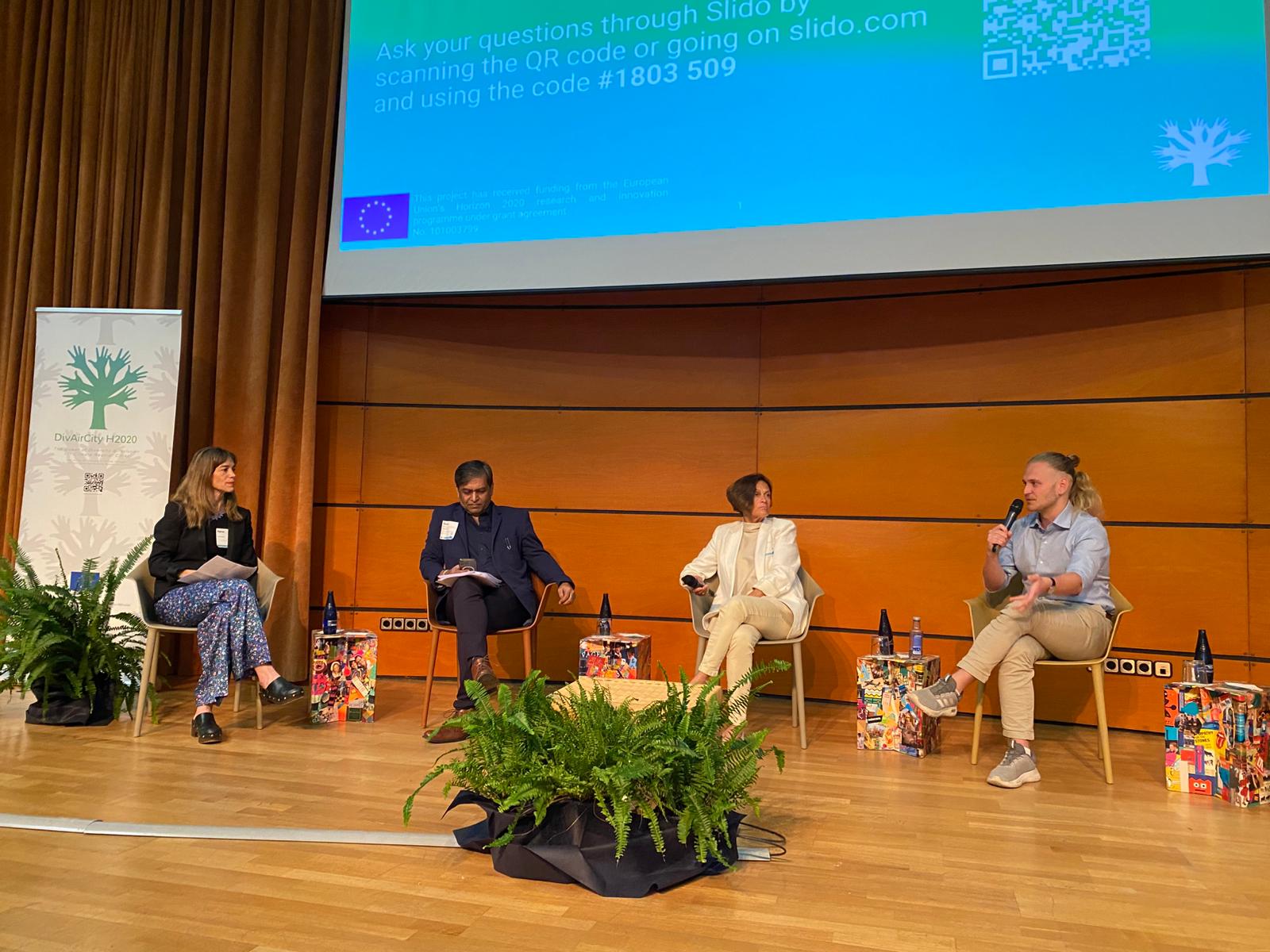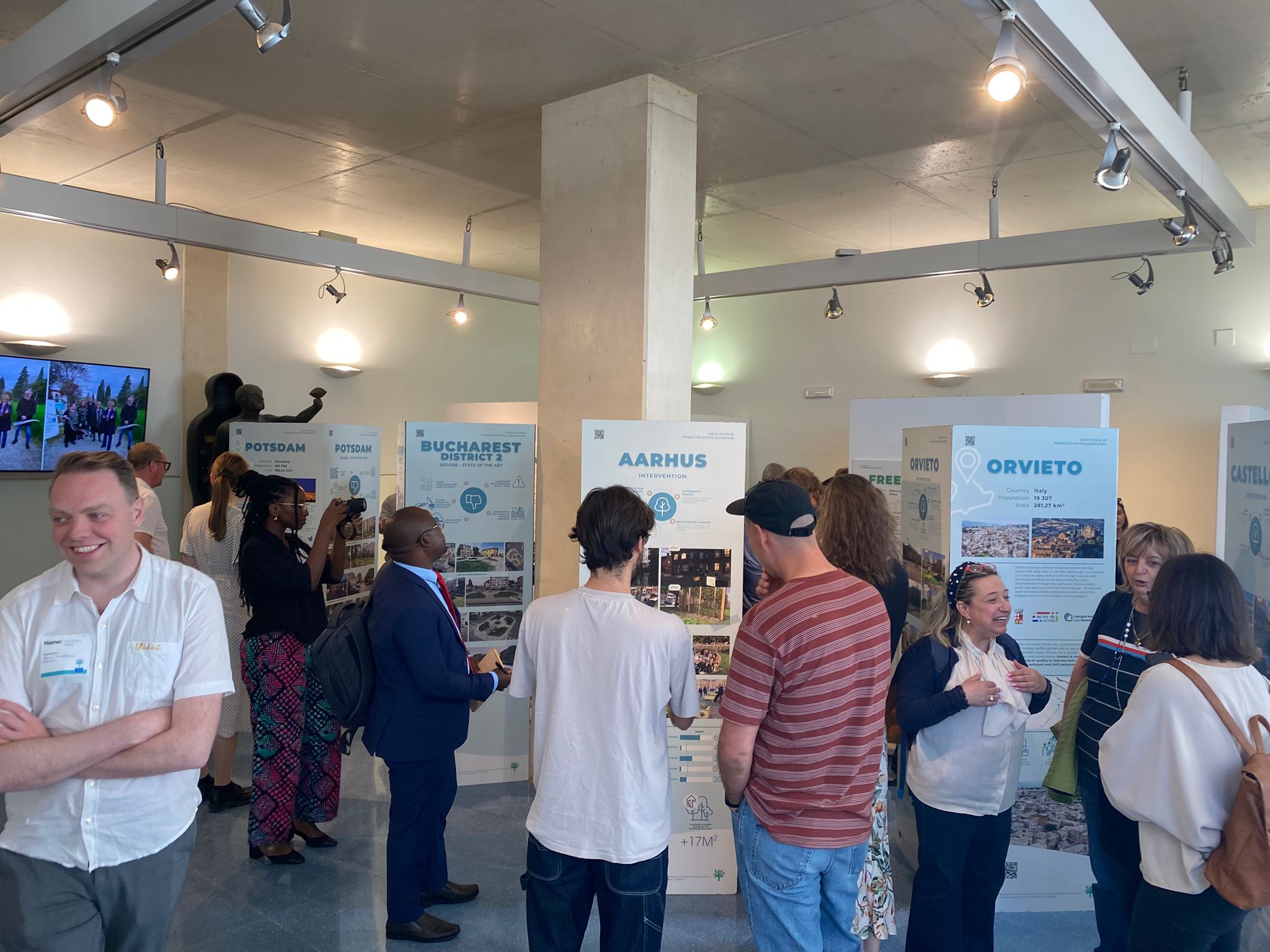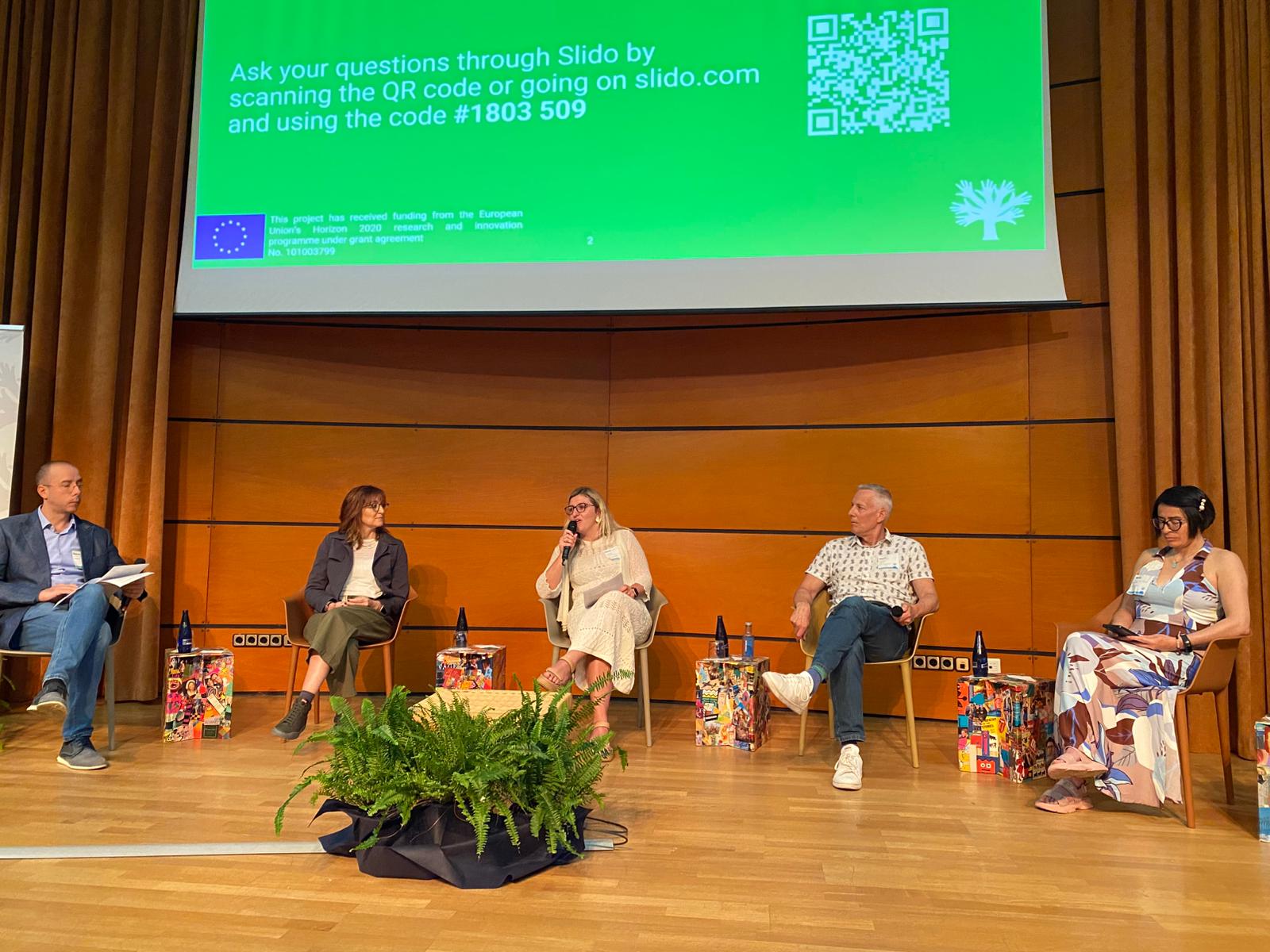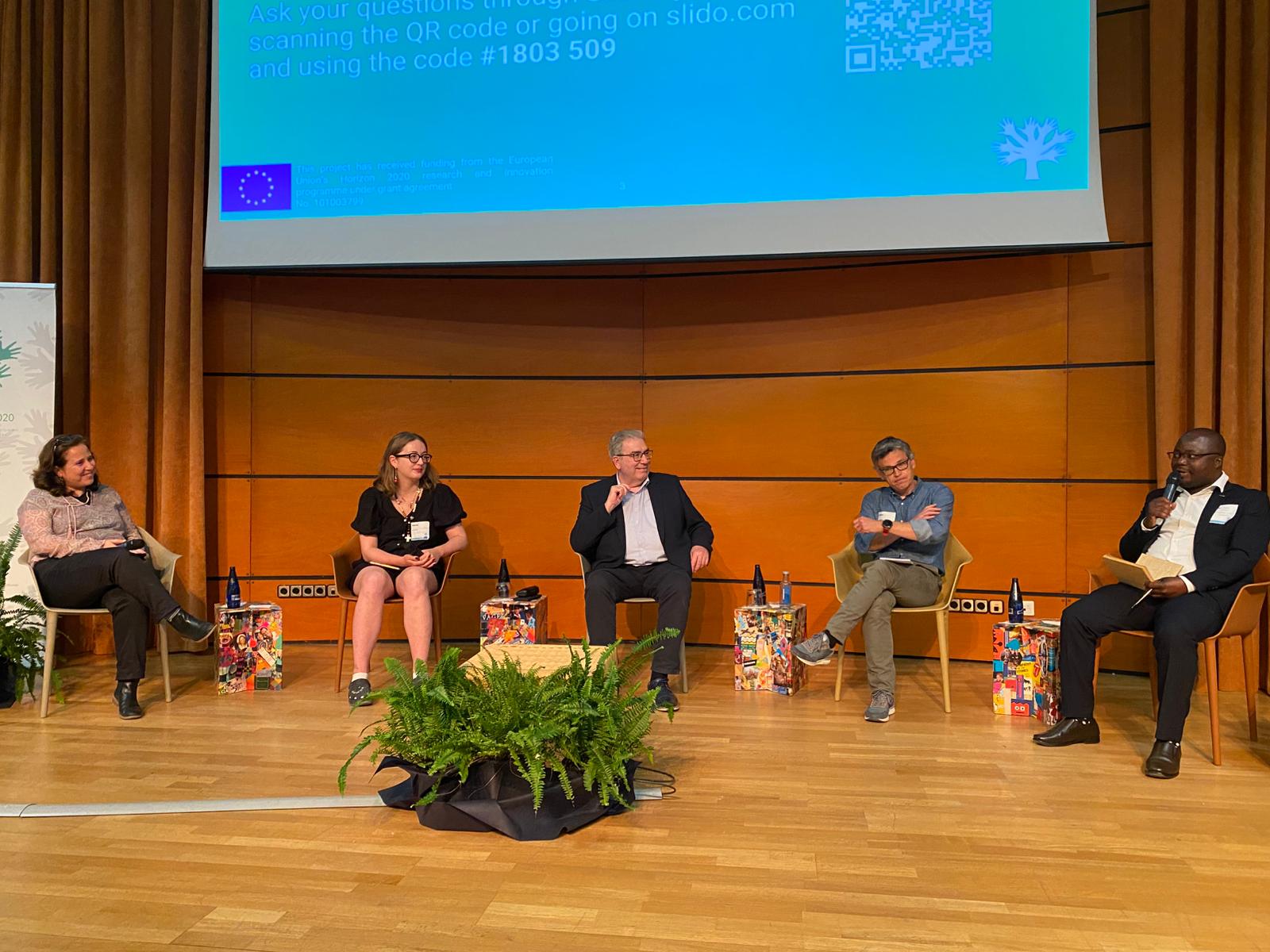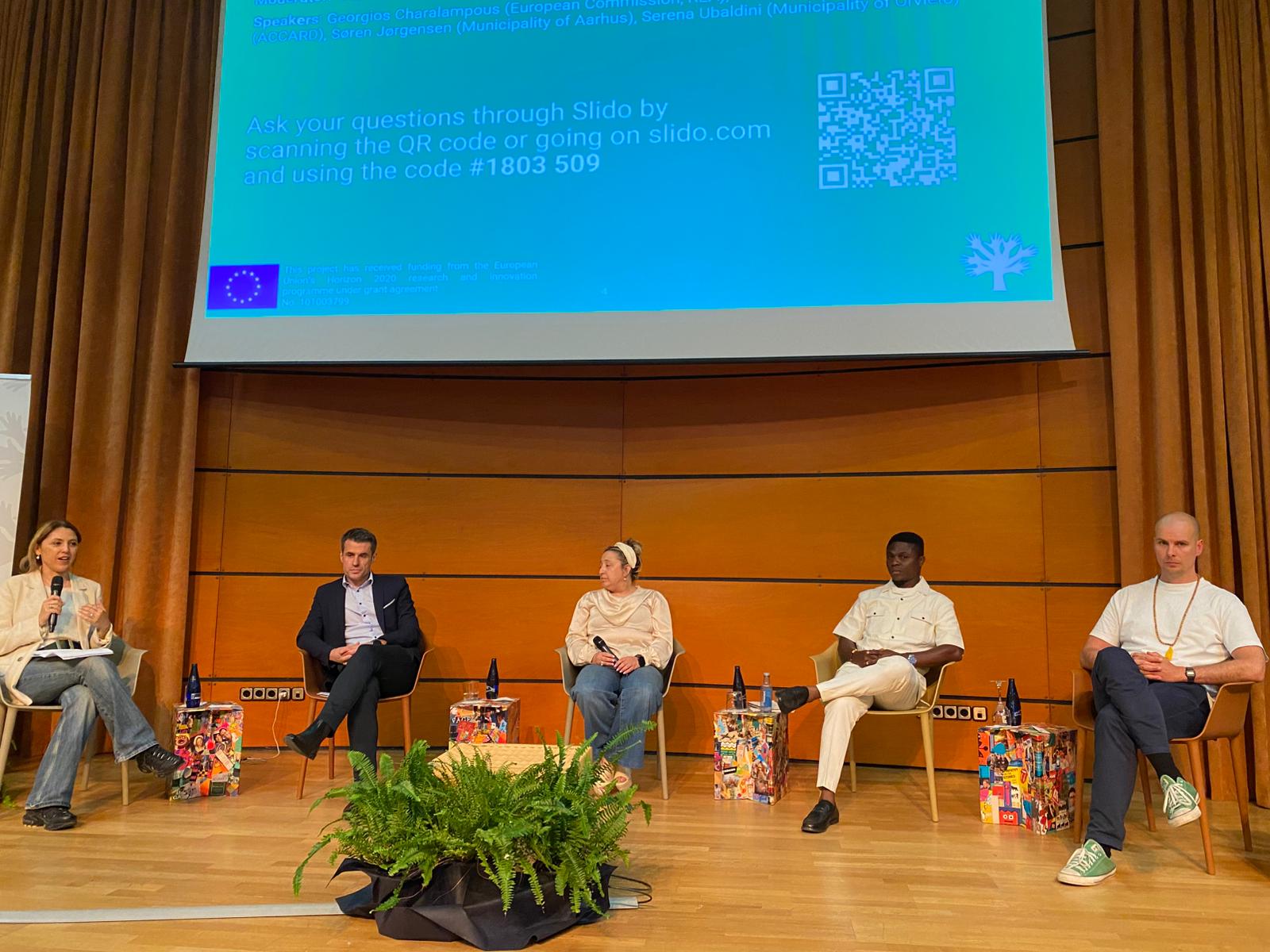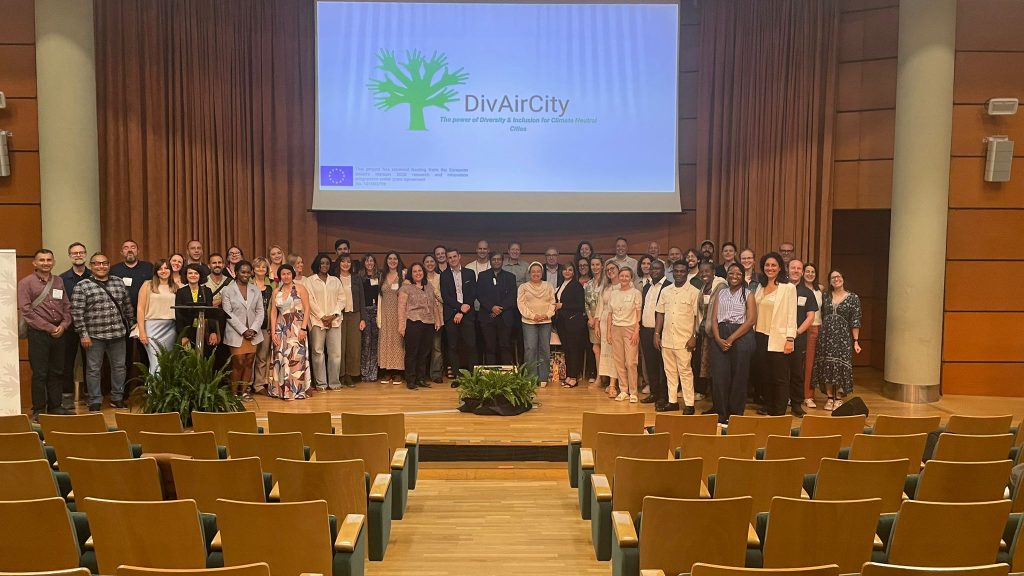
The Final Event of DivAirCity took place in Valencia, Spain, on May 20th and 21st. The event was open to the public and all the Twin Cities and Twin Projects had been invited to join, with several of them taking part to it physically.
During the two days, participants reflected on the accomplishments of the DivAirCity project, including its Twinning Programme. This happened also through an exhibition (where Twin Cities and the Twinning Programme were showcased) and a series of panel discussions on key topics for the project. All the panels included at least a representative from one of the Twin Cities, to give a global perspective on what was being discussed.
MAIN POINTS OF DISCUSSION:
- Living labs for inclusive NBS: speaking the language of citizens is crucial to foster participation; giving ownership to people will promote inclusion; if we can design for vulnerable groups, everyone will benefit.
- Measuring impacts and exposing data gaps: data-driven approaches help cities to ensure that the sustainability goals do not leave anyone behind, but complexity lies in connecting the dots; there is not one dataset that captures the complexity of a city, and biases and accessibility are issues; impact assessments are crucial but sometimes it is hard to carry them out at every level: they must be carefully planned from the beginning; innovative and tailored communication is essential to present data to citizens
- Technologies for greener and inclusive cities: we are in transition towards smartness and digitalisation, but new inequalities arise from the digital divide; adopting a people-centred approach is essential to democratise technologies; users should know about the impact and footprint of the digital tools that they use; technology can be an enabler not to leave anyone behind
- Policies for inclusive and climate-neutral cities: research and innovation, standardisation and innovative procurement can support cities in achieving climate-neutrality by 2050, attracting investments and scaling up pilots; innovative policy instruments that allow for collaboration between the municipalities and citizens are key to promote social inclusion, involving stakeholders in policy-making is necessary to have a people-centred and people-oriented policies
MAIN LESSONS LEARNT
- Expanding the conversation beyond the members of the Consortium to cities from all over the world enable a much richer, deeper and interesting exchange
- Visa issues remain a crucial element in planning events with participants from beyond the EU
- To ensure a fruitful conversation, it is important that the discussion goes beyond the common framework of R&I projects, and that cities are able to “speak their language” and bring their concrete experience