
Bucharest

About Bucharest

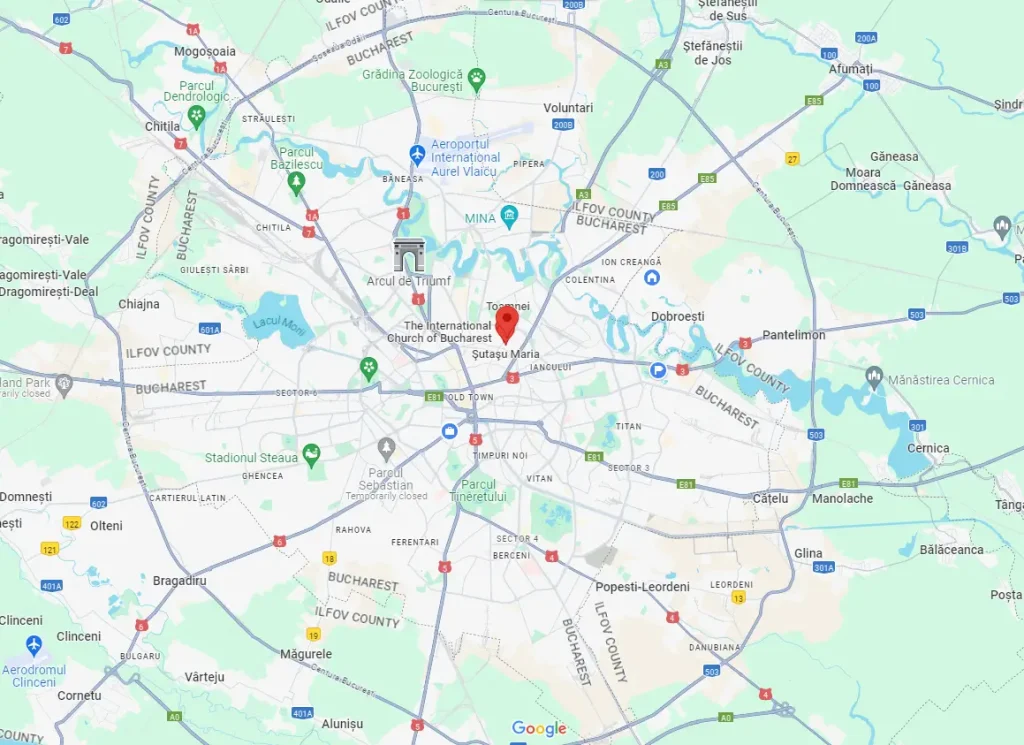
Bucharest is the Capital of Romania and has a population of approximately 1,800,000 inhabitants. It is the largest city in the Country and is the centre for the nation’s cultural, industrial and financial activities. It is the largest and most prosperous city in Romania, located in the southeast of the country, on the banks of the Dâmbovița River less than 100 km up north of the Bulgarian border.

Its architecture is featured neoclassical, Art Nouveau, Bauhaus, art deco communist era and modern elements. Its elegance namely attributed to the city, in the first half of the 19th century, the name of “Little Paris” or “Micul Paris”.

Why was it chosen as a ‘Pilot City’

Bucharest is the capital city. The intervention will be in District 2. The city does not have a specific office related to diversity but is willing to create one. Bucharest is a member city of the Covenant of Mayors.

The main objectives of the city of Bucharest are:

To increase social cohesion of different social communities

Increase well-being due to the Air Quality improvement when reducing car traffic and when increasing green areas.

The Bucharest Living Lab is centred around the reconversion of green spaces and community spaces aiming at putting together different social communities. All the actions will involve members of the district communities to ensure better knowledge and understanding of each other. The aim is to increase the well-being of the global community, improving the air quality and reducing GHG. A further aim will be to increase public awareness of Air Quality, climate and diversity.

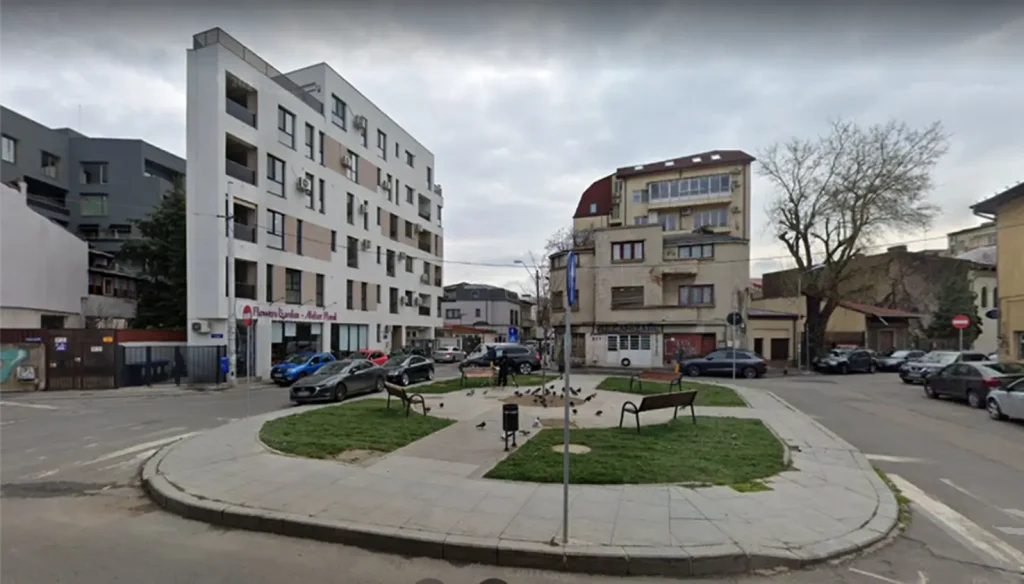
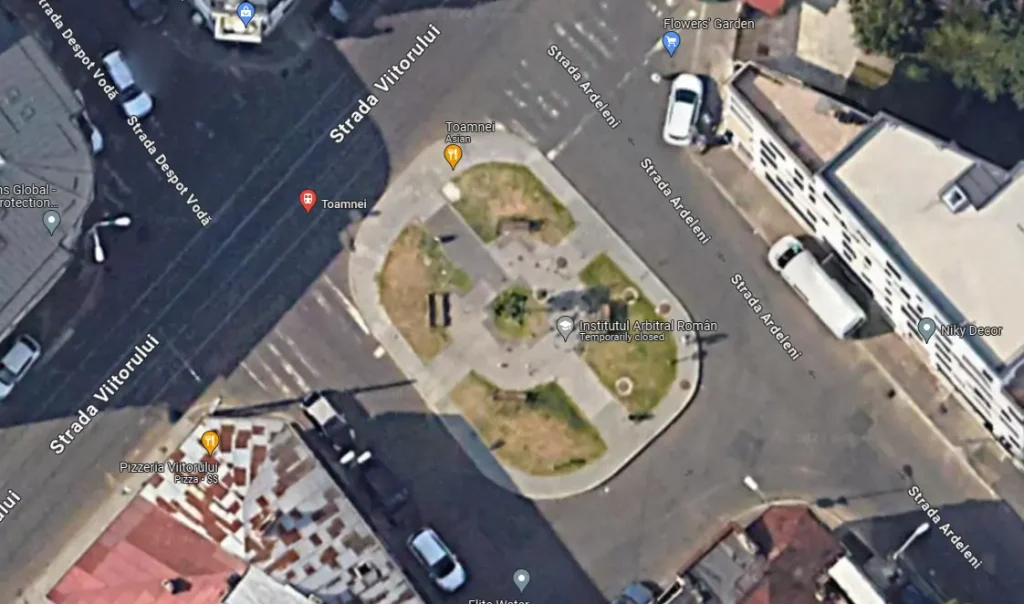
Area of Intervention

The selected intervention area in Bucharest is located at the intersection of Toamnei – Viitorului – Ardeleni streets. The square located at the intersection of Toamnei and Viitorului streets currently suffers from poor design and maintenance, lacking proper green spaces, noise, overheating and pollution issues. Through the DivAirCity project, we will transform this space into a vibrant public area. The main objective is to enhance the square by adding soil and facilitating collaborative planting activities involving children from nearby residences and schools. In addition, efforts will be made to engage other relevant actors, such as local flower shops for plant provisions and nearby NGOs. The transformation of the square aims to create a more inviting and green public space. By adding soil, incorporating vegetation, and solar shading systems, the DivAirCity initiative seeks to bring nature into the urban environment, improving the aesthetic appeal and providing numerous benefits to the community. Involving children from the surrounding area encourages their active participation and nurtures a sense of ownership and pride in the space.

Activities in the City

The solutions are yet to be decided as part of the co-creation activities within the project, but some actions have been suggested:

  • Public Space interventions such as temporary pedestrianization and NBS to mitigate air pollution and heat island effects, create safer public spaces, and enhance social cohesion (e.g. “Open streets for citizens” or markets of bio-agricultural producers.
  • Transformation of brownfields into improved green spaces to create complex ecosystems that improve Air Quality, increase biodiversity, CO2 storage, and citizens’ well-being.
  • Urban vegetable garden for creating a community meeting space, encouraging the community in the creation of the NBS and promoting SI.
Skip to content